
Should You Install Parental Controls on Your Child’s Phone in 2026 — Protection or a Breach of Trust?
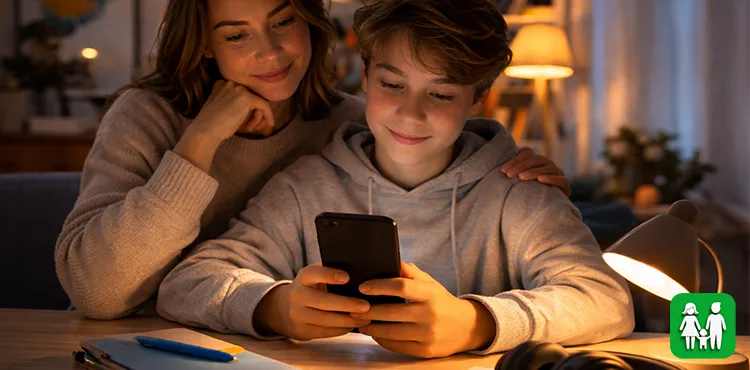 In 2026, almost every child has a smartphone, which means 24/7 access to the internet. The big question many parents are asking is: should you install parental controls, or will that damage trust? Let’s look at this calmly and realistically where the actual risks are, where the myths are, and how to protect your child without becoming overly controlling.
Why This Question Matters More Than Ever
Today, children:
- do homework online;
- communicate in messengers and games;
- watch unlimited video content;
- use AI tools for studying.
Search queries like “parental controls on child’s phone”, “how to monitor your child online”, and “parental control app” are growing rapidly. Most parents are not trying to spy they simply want to understand what’s happening in their child’s digital world.
What Real Risks Exist Online?
1. Inappropriate Content
Even if a child is not actively searching for harmful material, algorithms may suggest violent videos, adult content, or dangerous communities.
2. Communication With Strangers
Online games and chats are not limited to school friends. Sometimes adults pretend to be teenagers.
3. Cyberbullying
Private conversations that parents never see can seriously hurt a child emotionally.
4. Screen Addiction
“Just five more minutes” can easily turn into several hours.
Do Parental Controls Destroy Trust?
Parental controls damage trust if they are installed secretly, used as punishment, or enforced through pressure and fear.
“Our goal is to protect you from dangerous situations, not to read your private messages.”
When parents communicate openly like this, children tend to respond differently. Trust is not broken by an app it is broken by the absence of honest conversation.
Can Parental Controls Be Bypassed?
Yes, teenagers can create secondary accounts, use VPN services, or install hidden apps. That’s why installing parental controls on your child’s phone is not a final solution it is a safety tool that reduces risk.
Think of it like a seatbelt: it does not eliminate danger, but it significantly lowers it.
How to Set Up Parental Controls the Right Way
1. Start With a Conversation
Discuss what will be monitored and why. Transparency builds cooperation.
2. Agreements Instead of Strict Bans
- No phone in the bedroom at night
- Reasonable screen time limits
- New apps installed only after discussion
3. Gradual Freedom
As children grow older, technical restrictions should decrease while responsibility increases.
At What Age Are Parental Controls Necessary?
- 7–10 years old strict content filters
- 11–13 years old screen time and app management
- 14+ focus more on dialogue than restrictions
Age matters, but maturity matters even more.
How to Choose a Parental Control App
When selecting a parental control solution, look for:
- content filtering options;
- screen time management;
- app monitoring tools;
- clear and simple interface;
- transparent privacy settings.
There are many parental control apps available today. Tools like CyberNanny help parents create balanced digital rules and maintain awareness without crossing personal boundaries.
An app is only a helper. The most important tool is you.
🌐 Website
📡 Official Telegram channel
💬 WhatsApp
⭐ We are on MAX
Frequently Asked Questions (FAQ)
Should I install parental controls without telling my child?
No. Secret monitoring can damage trust. It is better to explain your intentions and agree on clear rules together.
At what age should I start using parental controls?
Usually from the moment a child receives their first smartphone, often between 7 and 9 years old. However, maturity level is more important than age alone.
Can I fully protect my child online?
No system provides 100% protection. But open communication combined with reasonable technical tools significantly reduces risks.
Will my child become secretive?
They might if control feels harsh or unfair. With trust and transparency, children are more likely to share problems themselves.
What matters more trust or control?
Balance. Trust without guidance can be risky. Control without trust can be harmful. The healthiest approach combines both.