

Back-to-School Parent Checklist: 5 CyberNanny Settings
The first weeks of September are the most nervous: a new route, new friends, a phone in hand all day. Five CyberNanny settings that take most of the worry away in about ten minutes.



























































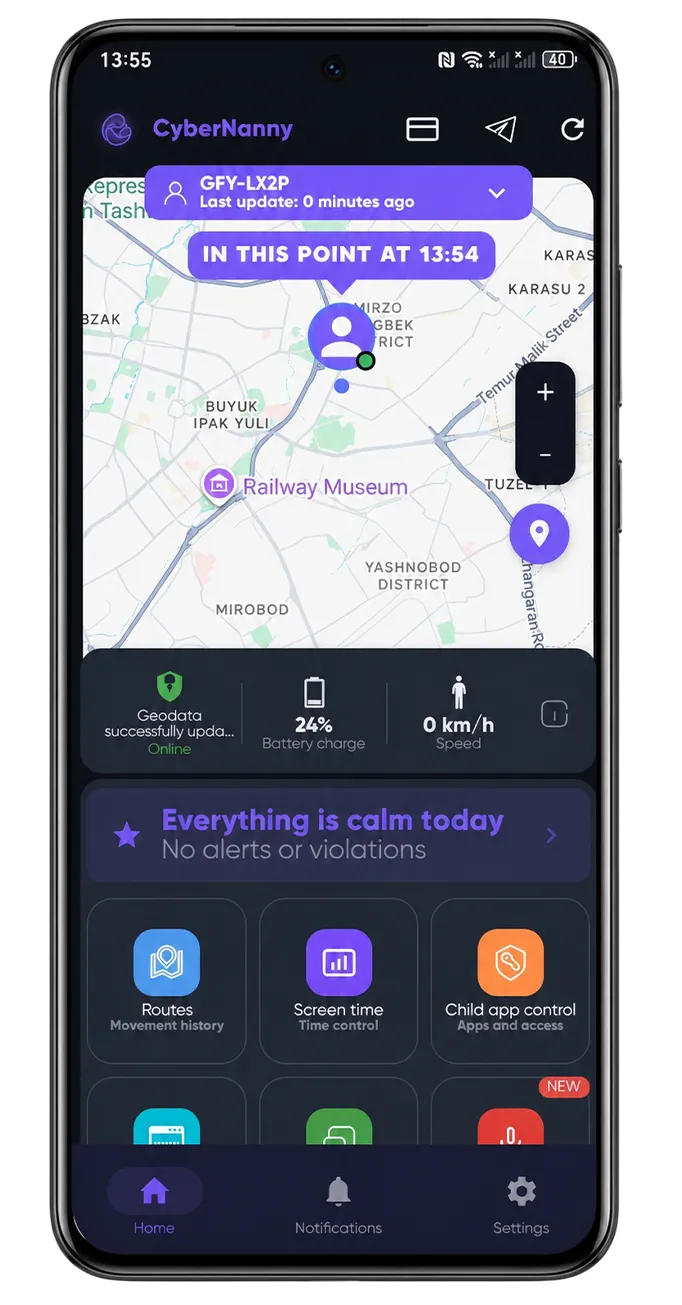
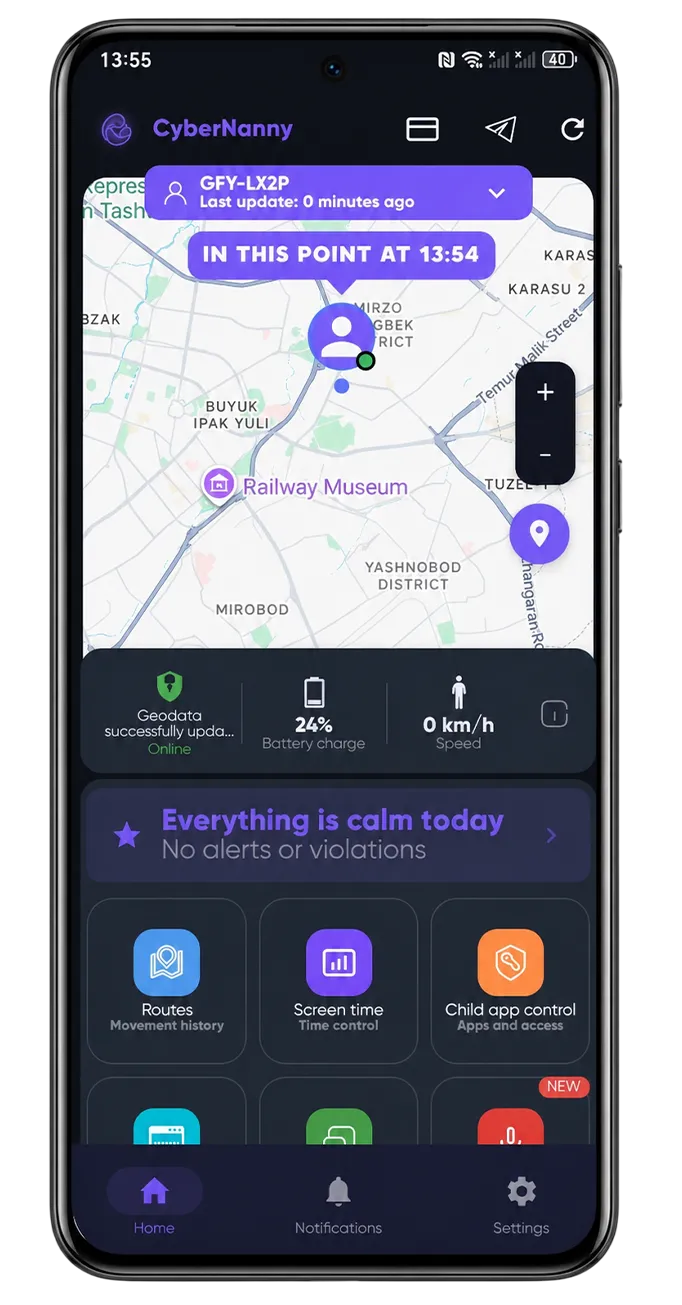
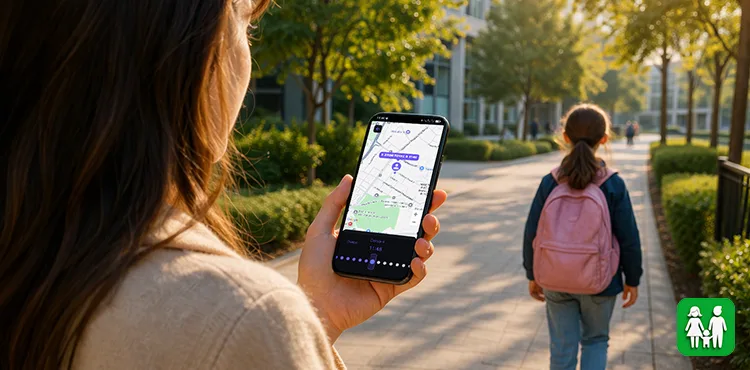
Today, parents don’t just want to know where their child is — they want to feel confident that everything is okay. Parental control with real-time location tracking helps achieve this calmly and without unnecessary stress. It’s not about strict surveillance — it’s about safety, especially in a modern city environment. 📌 Did you know? Most Read More

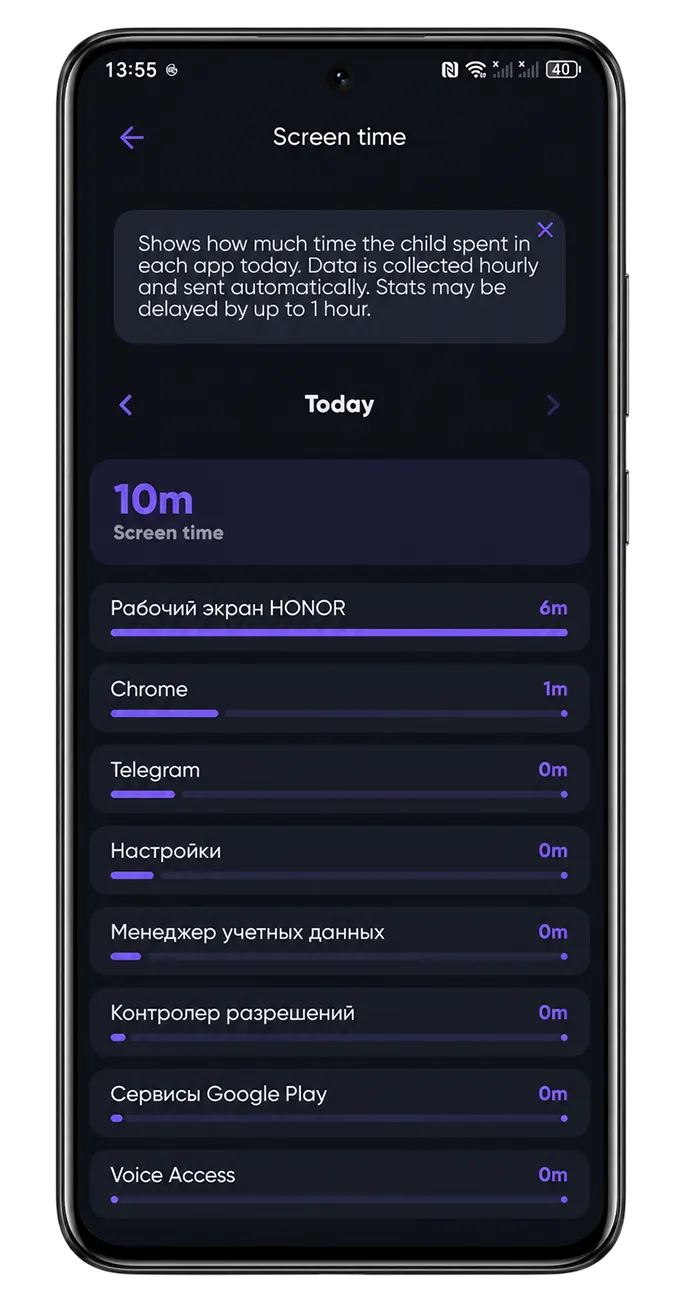
Screen time is one of the most common sources of conflict between parents and children. Phones, tablets, games, and YouTube quickly become addictive, and a simple “put the device away” often leads to arguments. But it is possible to reduce screen time without tantrums if you approach it calmly, consistently, and with an understanding of Read More
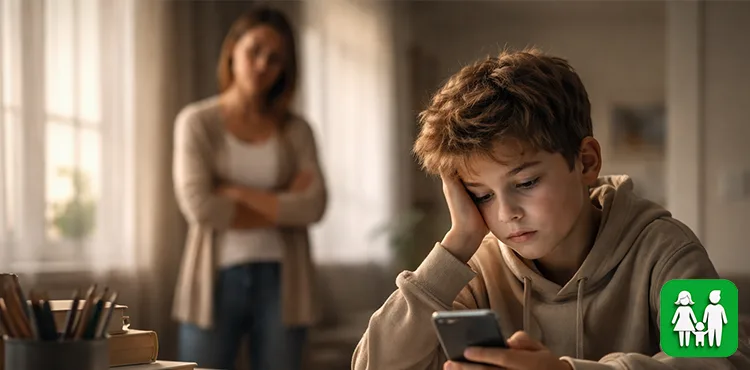
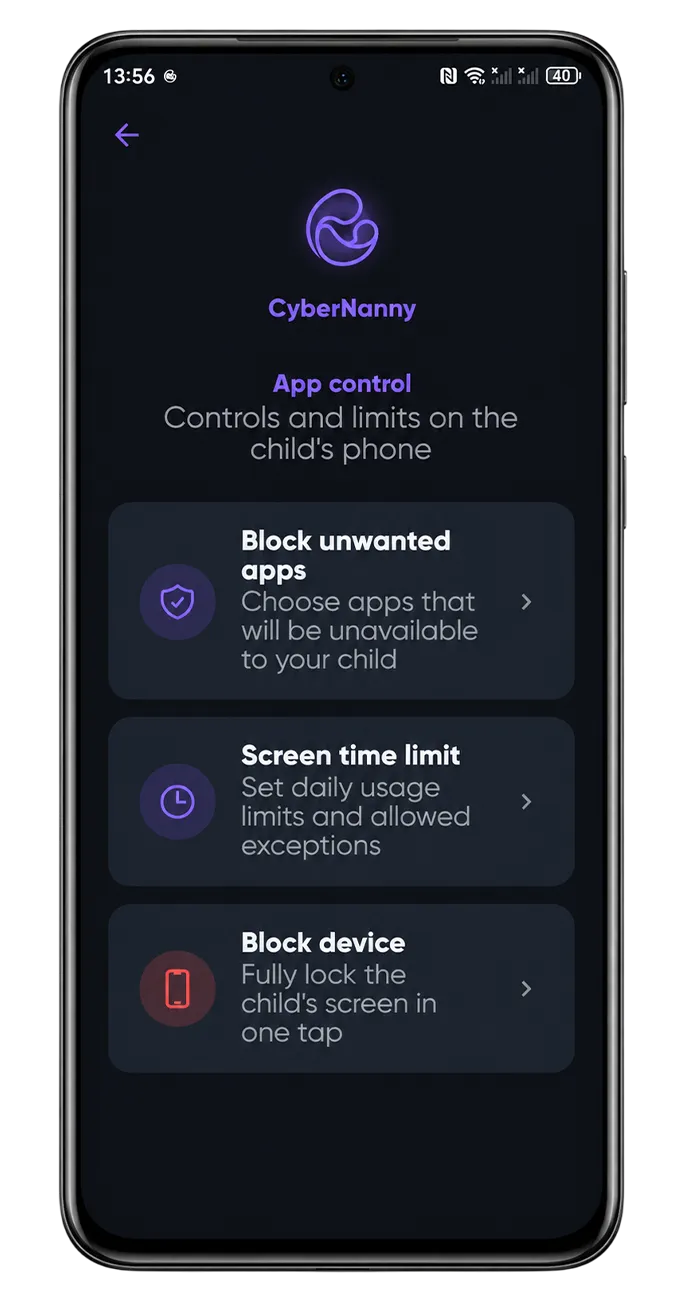
Parental control of screen time is one of the most effective ways to help children avoid spending all day on their phones and maintain a healthy balance between study, rest, and digital life. Today, kids can spend several hours a day on smartphones, and without clear limits, this quickly becomes a problem.In this guide, you’ll Read More
How to talk to your child about online safety without pressure — one of the most important conversations modern parents need to have with their teenagers. Technical settings and parental control apps cover part of the threats, but without the child’s own understanding of why certain actions are dangerous — they will commit them sooner Read More
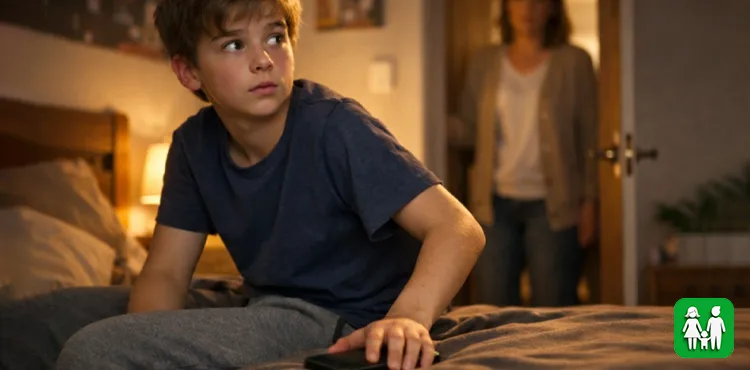
Many parents have noticed a familiar situation: a child is calmly using their phone, but as soon as a parent walks into the room, they quickly turn the phone face down or close the app.At that moment, parents often start wondering: what is my child hiding on their phone?In reality, there can be several reasons. Read More
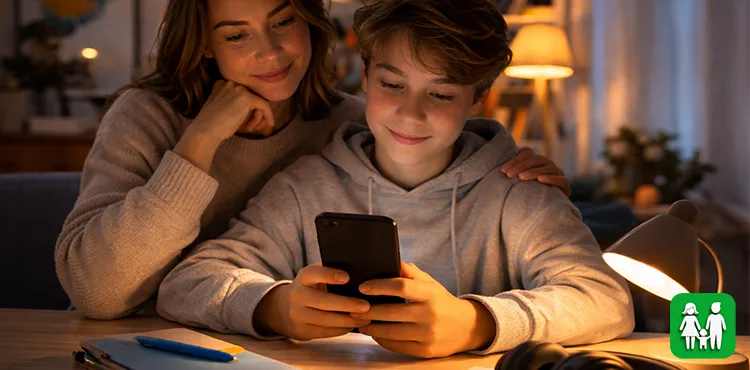
In 2026, almost every child has a smartphone, which means 24/7 access to the internet. The big question many parents are asking is: should you install parental controls, or will that damage trust? Let’s look at this calmly and realistically where the actual risks are, where the myths are, and how to protect your child Read More

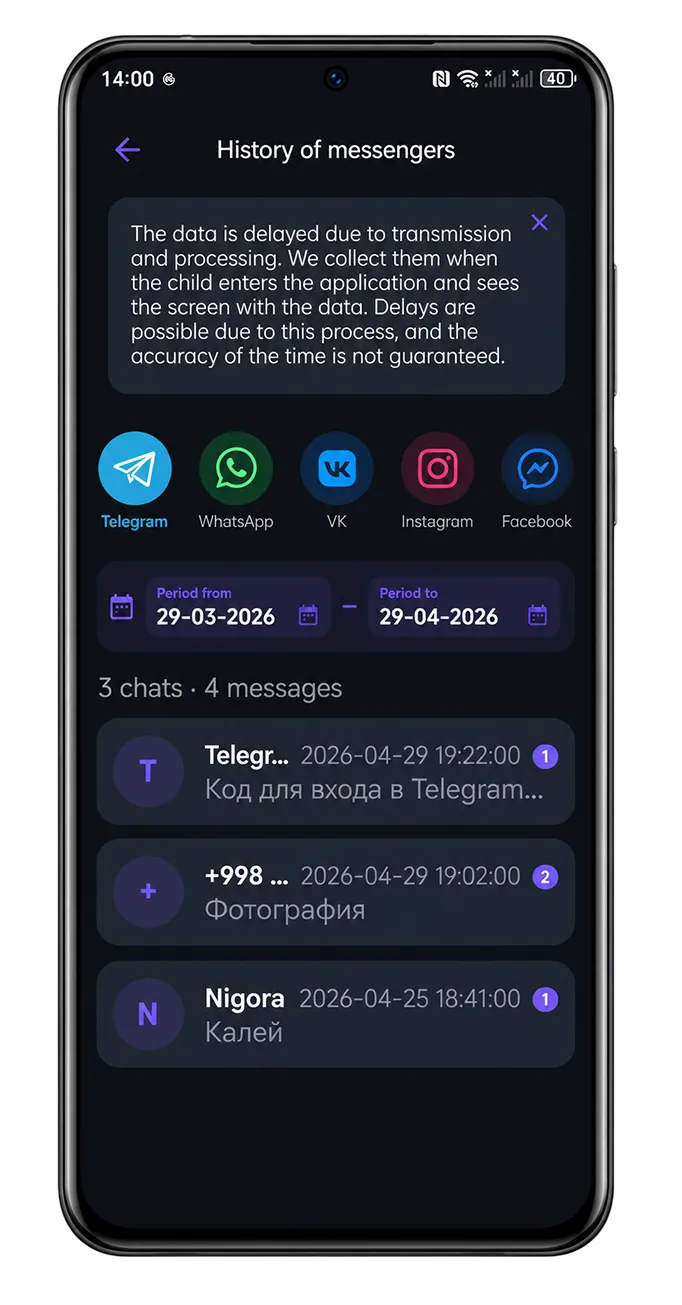
Today, children spend as much time in Telegram and WhatsApp as they once did in the yard or at school. Messengers have become the main way to communicate with friends, classmates, and even teachers. But along with friends, strangers, fake accounts, and scammers sometimes appear in chats. In this article, we’ll explain how to protect Read More

If your child is being bullied in a school chat, don’t ignore it. Save the messages, talk to your child calmly, and avoid blaming or telling them to “just ignore it.” Inform the teacher or school administration. Limit involvement in the conflict and help your child regain a sense of safety both online and offline. Read More
Children’s sleep and routine is the foundation of their health, school performance, and emotional well-being. Modern children sleep 1-2 hours less than the recommended amount, and one of the main reasons is smartphones and tablets in bed. According to WHO data, preschoolers should sleep 10-13 hours, schoolchildren 9-12 hours, teenagers 8-10 hours. Reality is far Read More
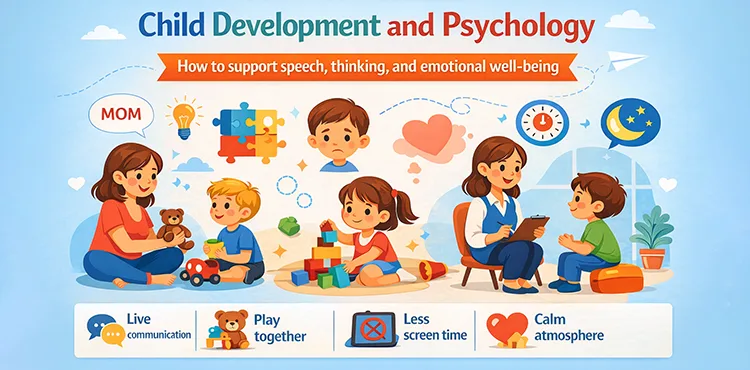
Child development is not a checklist and not a competition with other children. Every child grows at their own pace, but parents need to understand where normal individual differences end and where real developmental issues may begin. Concerns most often arise around a child’s speech, behavior, and attention: “Why does my child speak so little?”, Read More